
Dubai RoyalMembership

Our History

The story of this organisation

Founded as an independent membership initiative inspired by Dubai's remarkable transformation, the organisation seeks to connect heritage, philanthropy, cultural exchange and future-focused leadership.

Please note

This timeline describes our own organisation only

  1. Stage 01

    Origins

    A small group of members convened privately around a shared interest in heritage and cultural exchange, agreeing a simple founding principle: independence, and no claim to authority that is not ours.

  2. Stage 02

    Cultural Foundation

    The organisation formalised its cultural programme — sessions on Emirati heritage, Gulf architecture, Arabic geometry and calligraphy — and established the educational standards that still govern how sessions are prepared and sourced.

  3. Stage 03

    Community Development

    Our first independently organised community initiatives began: educational support, literacy and language programmes, and cultural access for young people, staffed in part by member volunteers.

  4. Stage 04

    Global Outreach

    Membership widened beyond the region. Cultural exchange became reciprocal — visiting members learning local traditions, and local members hosting and explaining them.

  5. Stage 05

    Future Vision

    The organisation is building a longer-term educational programme, a permanent editorial archive, and a philanthropic portfolio measured over years rather than seasons.

Cultural background

Dubai Heritage in Context

The following is background heritage context that inspires our work, drawn from publicly documented regional history. It is not the history of this organisation, and it is not official content.

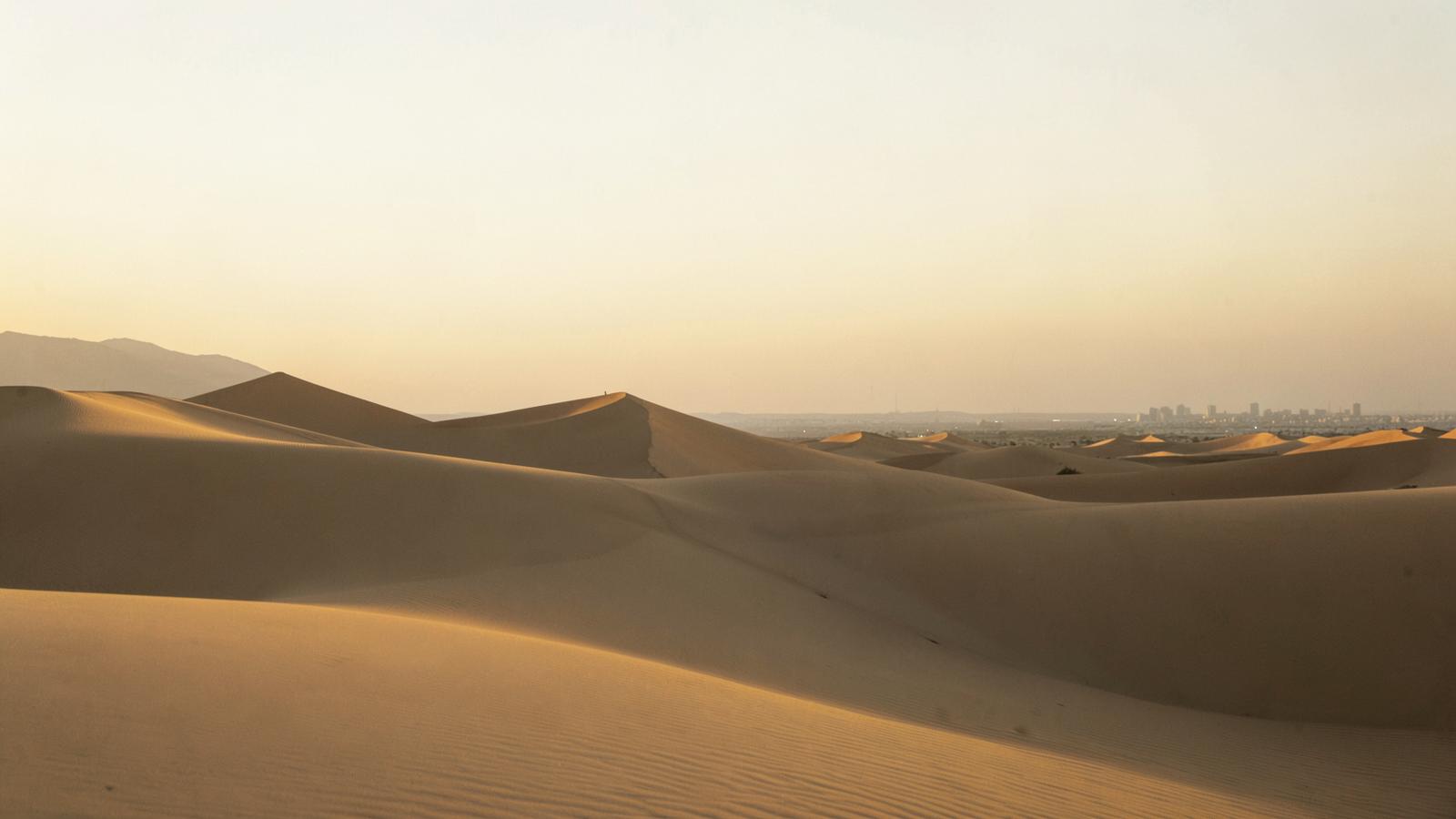
Desert landscape at dusk evoking the region's historic terrain

The Origins of the Name 'Dubai'

The name Dubai appears in the historical record remarkably early. It is referenced in the geographical writings of the Andalusian scholar Abu Abdullah al-Bakri around 1095, and again in the accounts of the pearl merchant Gasparo (Jaspero) Balbi in the 1580s; in the early nineteenth century British records referred to the settlement by other names. Historians and cultural researchers have offered several explanations for the name. Some connect it to a word describing the slow, creeping flow of water along Dubai Creek; others suggest it recalled a type of locust once common in the area. Further theories trace it to Persian words said to refer to the two banks of Deira and Bur Dubai, to the idea of a smaller version of a larger regional market, or to associations of wealth befitting a thriving trading town.

Old Dubai

By the eighteenth century Dubai was a modest fishing and trading village, home to members of the Bani Yas tribe. The Al Maktoum family settled there in 1833, and over the following decades the town grew from a small village into a busy coastal city. As its population expanded, Dubai took shape around three districts divided by the Creek: Deira, the largest and the main commercial quarter, with a great souk of some 350 shops trading goods from across the world; Bur Dubai; and Al Shindagha, the small residential spit of land between sea and Creek, where the ruling sheikhs traditionally lived and where the historic house of Sheikh Saeed still stands. Crossing the Creek meant a long walk around its edge or a ride on an abra, the small wooden ferry still in use today and now a beloved landmark. Before electricity arrived in 1952, homes were lit by kerosene and wax lamps, charcoal was brought from Oman for cooking and coffee, and residents drew fresh water from wells across the town. Many homes were built of palm frond, while grander buildings used gypsum and coral stone. The high points of the skyline were the wind towers, or barajeel, which cooled the houses through evaporation, alongside the watchtowers and Al Fahidi Fort — built around 1799, among the oldest surviving structures in Dubai, and once the seat of government, the ruler's residence and a prison.

Ancient Settlements: Al Qusais, Hatta and Jumeirah

The archaeological site of Al Qusais is among the oldest and most significant human settlements in the area, with finds dating to the second and first millennia BCE, including more than two hundred burials of varied form and size. At Hatta, ancient tombs reach back to the third millennium BCE, alongside rock carvings on stones of many sizes. The Jumeirah site, dating to the early Islamic period, is an important historical station in the Gulf region, where buildings, pottery, plaster decoration and coins illustrate the architecture and exchange of the era.